|
 Dolmens:
(Form and Function)
Dolmens:
(Form and Function)
|
The word 'Dol-men' originates from two Breton words meaning 'Stone
- table'.
Dolmen are one of the
most common megalithic structures around the world, and even though
numerous were destroyed during the 'Christianisation' of Europe etc, several thousand still
remain today. An estimated 30,000 dolmen remain in
Korea alone, amounting to 40-50% of the worlds total.
It is often assumed that dolmens were
constructed for a funerary purpose. However, the lack of human remains in
several prominent dolmens, combined with certain construction features
suggests that this can no longer be considered a definitive theory.
|
According to the
1864
survey, the number of 'Dolmens'
in France was estimated at 2,225.
(2)
Today, the number is estimated at approximately 4,000.
Dolmen have been found all around the
ancient world - in the America's, Europe,
the Middle-east (Syria), In Africa (Algeria)(9), and
even in Asia (India, China)(1), (Korea), (Japan)(9).
The oldest proven examples are from the
Middle east, suggesting that the design reached Europe from there.
(1)
Dolmen fall into many
categories; For example, some were originally covered over while others
were left exposed, placing doubt over their commonly designated purposes
as funerary structures.
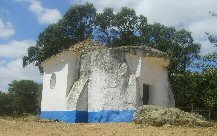
Some Dolmen are still in use today:
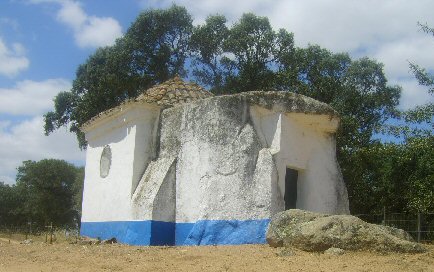
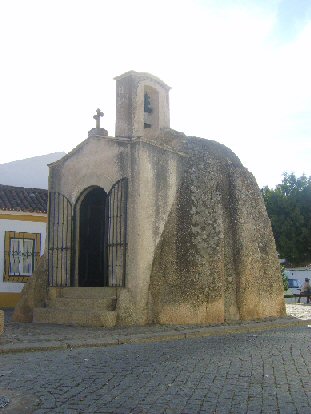
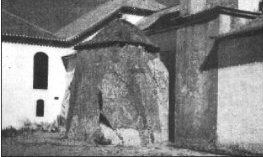
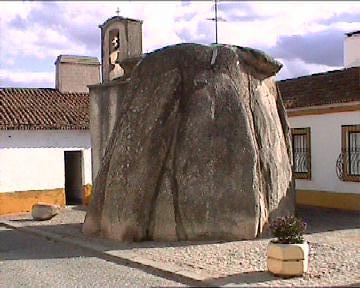
The Christianised
Portuguese Dolmens at Sao Brissos,
Pavia and Alcoberta.
Dolmen
Facts:
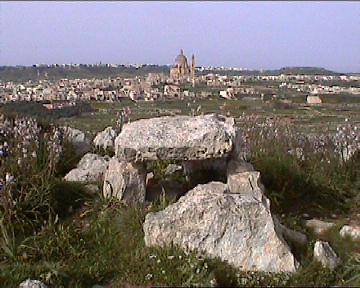
The Xewkija church on Gozo Island has the third
largest dome in Christendom, and was built on the site of an earlier
Christian structure, which in turn was built on the site of a large
dolmen, last recorded in the 17th century, and which was used as the
foundations of the church
(4)
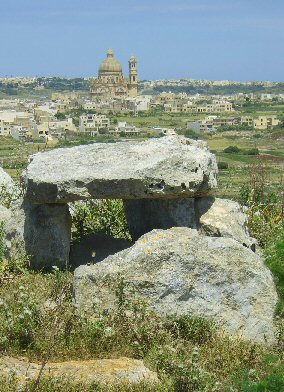
The Xewkija
dolmen sits at the centre of an alignment between
Ggantija temples and the
Ta-Cenc dolmen on the Island of Gozo.
(More
about the Ta Cenc Alignment)
|
|
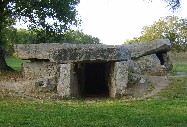
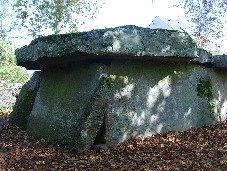
The Giant Loire
Dolmens, France: |
This group of dolmens are
congregated between Samur to Blois, on the river Loire are some of the most
impressive in France. They are puzzling to archaeologists as none of them
appear to have ever been covered with earth, and there have been no human
remains found in them, which precludes them from having been intended for
passage mounds or funerary structures. (1)
They have several construction features which are
peculiar to the area, such as the the portalled entrances, which lead
directly into the large internal chambers. They are invariably orientated
east-west, with the opening facing east, suggesting a preference for
equinoxial orientation.
Other dolmens can also be found north of the Loire at Soucelles, La Roche Thibault,
Bauge, Nr Mettray (La Grotte des Fees). South of the river in the
Samur region there are more west of Gennes and in a farmyard near St. Hilaire (Dolmen de la Pierre Boire),
and the massive Le Gros-Chillou at Briancon, Cravant, which is 50
ft (15.2 metres) long and 10 ft (3.1 metres) high.
(More about the Loire
Dolmens)
In France an inter-gradation
can be observed between the rudest and most ancient dolmens and later
varieties where the support stones are squared off into four vertical
faces or tapered into cylindrical columns.
(1)
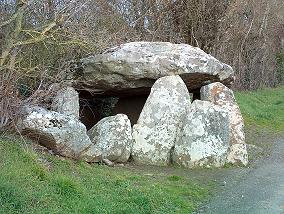
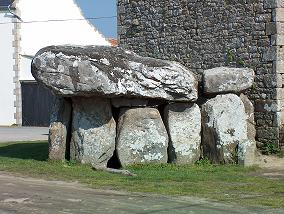
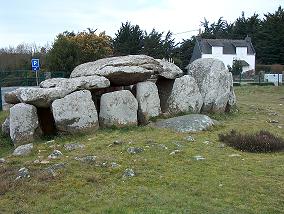
Carnac region, France. (The
progression
from Dolmen to Passage 'Grave/Tomb')
|
Dolmen Facts:
Chris Barber noted the significance
of the 'presence of so many Arthurian sites near to
Gors Fawr...Arthur may be considered
as Arth-Fawr, the Great Bear and a representation of the Polar force'. He also made the connection 'that the dolmens of Wales tend to be
sighted on the Great bear, and that the region of Gors Fawr is the
same one that the famous bluestones of Stonehenge originated.
(3)
|
|
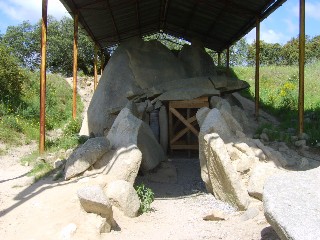
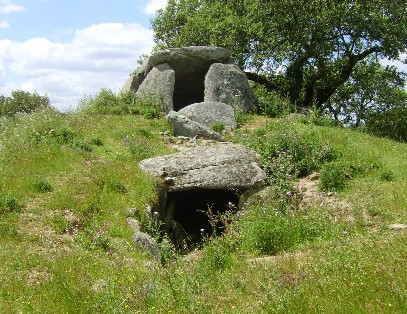
The Portuguese Dolmen / Passage-mounds: |
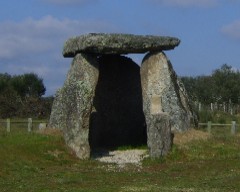
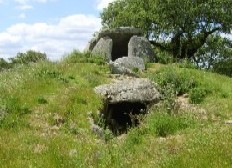
Many of the Alentejo 'dolmens' have a
style that is distinct to the region. It is possible to see within the
range of dolmens and passage-mounds across the country that there is a
form which can be seen to be a hybrid Dolmen-Passage mound. The
three structures below all share this particular design feature and are
found in the Alentejo, Portugal. Others in Northern Portugal also share
similarities with these structures.
All of these structures share
similar design features and contain
aspects of both Dolmens and Passage-mounds, but while the Commenda da
Igreja and Anta do Tapodao, both have Dolmen chambers, the stones are
only half covered with mounds, making them appear from a distance as
though they were just small dolmens, built on top of mounds.
The Passage mound at Zambujeiro contains both full
forms in one structure, but was completely covered with a mound.
It is noticeable that a great number of Portuguese
Dolmens appear to have had one of the upright stones of the chamber
broken in half (Most frequently the northern one on the right hand).
This curious effect can be seen in Dolmens across the country. As yet
there is no explanation for this, although the fact that it occurs on
such a large-scale suggests that it may have been the result of
religious fervour.
And Finally...
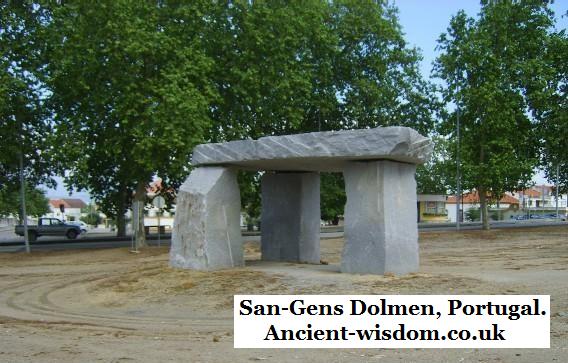
Portugal, as well as having some of the oldest
megaliths in Europe, also claims credit for the newest...The Dolmen above
was recently erected (2006), near the San-Gens
dolmen, Alentejo.
(More about Prehistoric
Portugal)
|
Dolmen Facts.
The largest dolmen in North America (North
Salem), has a capstone estimated to weigh 90-tons. (1)
Korea: There are an estimated 30,000
dolmens in Korea, amounting to 40-50% of the worlds total.
(More about the Korean Dolmens)
Noorbergen (9), tells us that 'In India, dolmens dot the land from
Nerbuddha River to Cape Comorin. At the latest count (1977), the Neermul jungle of central India has yielded at least 2,000 of the
monuments...and another 2,200 have been located in Dacca'.
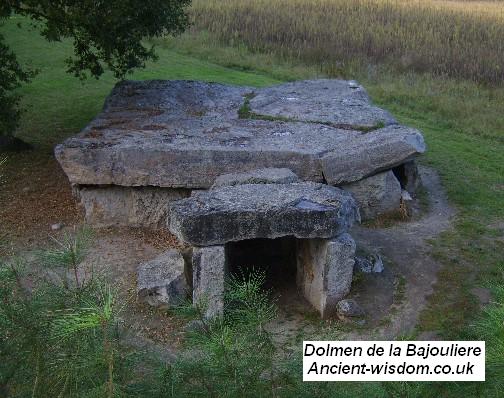
The largest capstone in Europe (100 tonnes)
is found at
Bajouliere,
France. |
The Caucasus Dolmens, Russia.
This area
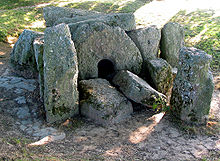
is littered with dolmens with 'spirit holes'
in them (over 3,000 reported). The holes have a similar design as that seen in megalithic
constructions in Sardinia, Sicily ('Tombas
di Giganti'),
and the U.K. It is not yet determined whether the holes facilitate an
astronomical function, similar to the 'light-boxes' seen at
Newgrange
and Carrowkeel
in Ireland, or whether they served another function or
sacred
purpose.
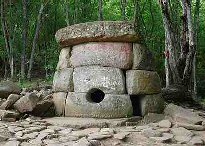
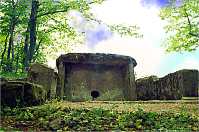
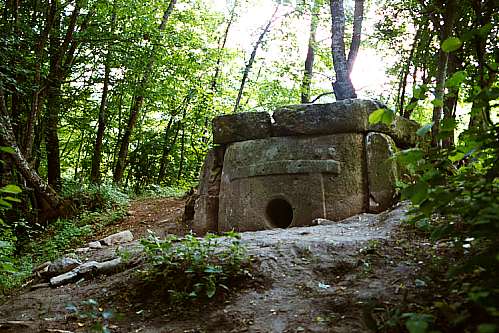
A selection of the numerous designs of 'Caucasus Dolmens'.
(More about the Caucasus
Dolmens)
Dolmen Gallery:
Dolmens from around the world.
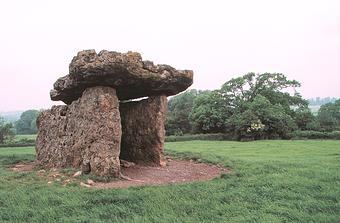
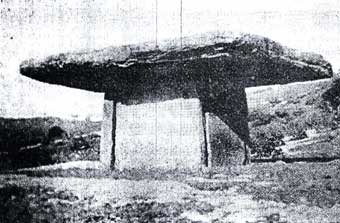
St.
Lythians, Wales -
'Chou-Chou-Che' in North-East China...
|
 |
 |
 |
 |
|
|
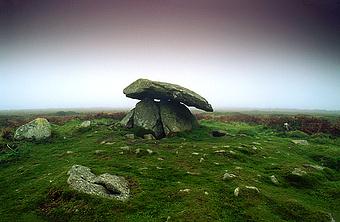
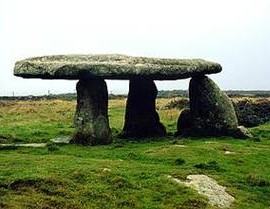
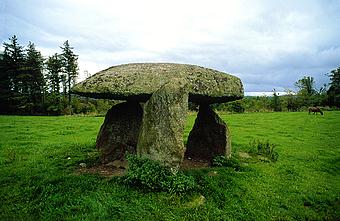
Chun Quoit, England |
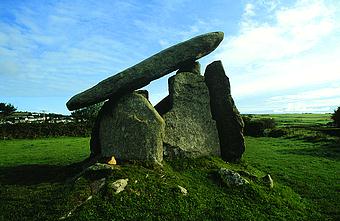
Trethevy Quoit, England |
Lanyon Quoit, England |
Spinsters Rock, England |
|
 |
 |
 |
 |
 |
|
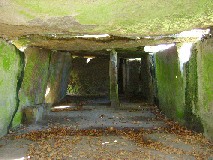
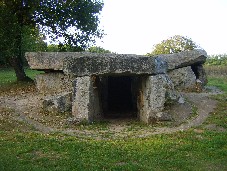
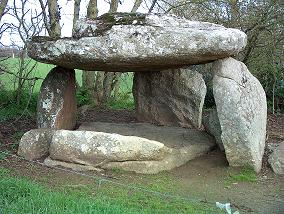
Bagneux Dolmen,
France |
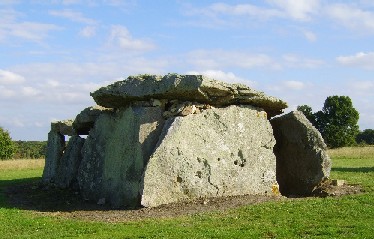
Dolmen de la Bajouliere, France |
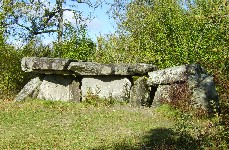
Carnac, France |
Madelaine
Dolmen, France |
La Pierre Couvert, France |
 |
 |
 |
|
 |
|
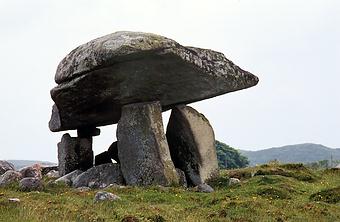
Kilcooney, Ireland |
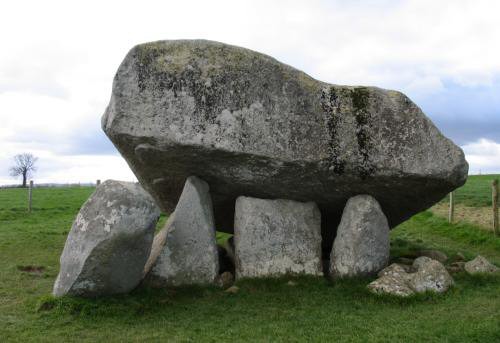
Browneshill,
Ireland |
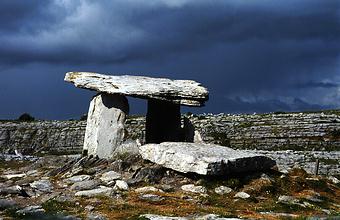
Poulnaborne,
Ireland |
|
Weris, Belgium |
 |
 |
|
|
|
|
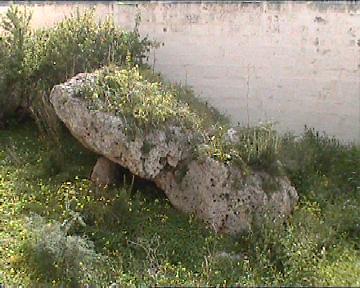
Ta Cenc. Malta |
Malta, Sansuna |
|
Caucasus, Russia. |
|
 |
 |
 |
 |
 |
|
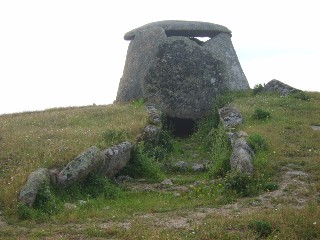
Rio Torto, Portugal |
Sao Dinis, Portugal |
Commenda da Igreja, Portugal. |
S�o
Brissos, Montemor de Novo. |
Anta de Tapadao, Portugal. |
|